Overview of the Everest Base Camp Trek
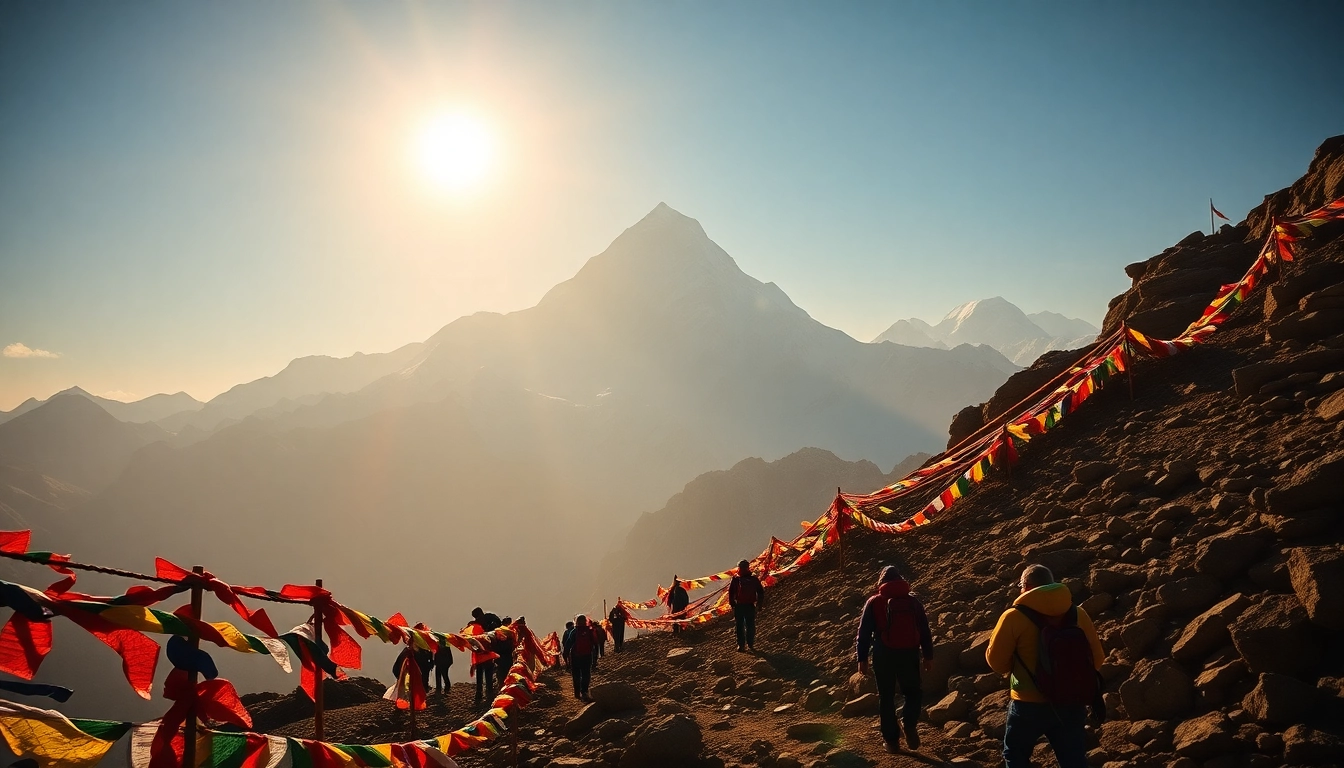
The Everest Base Camp Trek (EBC Trek) is one of the most iconic trekking routes in the world, drawing adventurers from all corners of the globe. Nestled in the heart of the Himalayas, this thrilling journey offers breathtaking views of the world’s highest peak, Mount Everest, and a unique insight into the Sherpa culture and traditions. Covering approximately 130 kilometers round trip, the trek typically spans 14 days, allowing trekkers to acclimatize to the high altitude while experiencing the stunning landscapes along the way. For those interested in embarking on this adventure, Everest base camp provides comprehensive insights and planning resources.
What to Expect on Your Journey
The trek to Everest Base Camp is a unique blend of adventure, cultural experiences, and natural beauty. Trekkers can expect to navigate through lush forests, cross suspension bridges, and witness majestic mountain peaks throughout their expedition. Along the trail, charming Sherpa villages provide a glimpse into the everyday lives of the locals, and the opportunity to interact with them enriches the journey significantly.
Key Highlights and Scenic Wonders
- Stunning Views: The trek offers breathtaking panoramas of iconic peaks such as Lhotse, Nuptse, and Ama Dablam.
- Cultural Experiences: Immerse yourself in the rich cultural heritage of the Sherpa people, with visits to monasteries and local homes.
- Diverse Landscapes: Traverse through various terrains from subtropical forests to alpine tundras, showcasing the rich biodiversity of the region.
- Acclimatization Opportunities: Strategic acclimatization days are included to help trekkers adjust to the high altitude effectively.
Importance of Acclimatization
Acclimatization is crucial when trekking in high altitudes to avoid altitude sickness, which can affect even the most seasoned trekkers. The Everest Base Camp Trek incorporates specific acclimatization days, allowing trekkers to ascend gradually and give their bodies time to adjust to the thinning air. This practice significantly reduces the risks associated with high altitude, ensuring a safer and more enjoyable trek.
Planning Your Everest Base Camp Trek
To fully enjoy the beauty and challenges of the EBC Trek, careful planning is essential. From choosing the right season to preparing required documentation, each step contributes to a successful adventure.
Choosing the Right Time to Go
The best times to trek to Everest Base Camp are during the spring (March to May) and autumn (September to November). During these seasons, trekkers can expect stable weather, clear skies, and pleasant temperatures. Monsoon season (June to August) can bring heavy rains at lower elevations, making trekking more difficult, while winter (December to February) experiences extreme cold and fewer trekkers.
Travel Requirements and Documentation
Travelers embarking on the EBC Trek must ensure they have the correct permits, including the Sagarmatha National Park entry permit and a TIMS (Trekking Information Management System) card. These permits are crucial for trekking in the region and should be arranged in advance to prevent any delays during your trip.
Budgeting for Your Adventure
Budgeting for the EBC Trek varies based on travel style, accommodation preferences, dining choices, and additional expenses such as tips and personal supplies. On average, trekkers can expect to spend between $1,500 to $3,500, depending on the type of trekking package selected. It’s advisable to account for extra costs, particularly for food and beverages along the trail.
Preparing for the Trek
Preparation is key to a successful trek, encompassing both physical and logistical aspects. Below are critical areas to focus on as you gear up for the Everest Base Camp adventure.
Essential Gear and Packing List
- Trekking Boots: Sturdy, high-ankle trekking boots with good grip.
- Clothing Layers: Base layers, insulating layers, and waterproof outer layers.
- Sleeping Bag: Rated for at least -15 °C (5 °F).
- Personal Items: Toiletries, first-aid kit, and any necessary medications.
- Hydration Gear: Water bottles and purification tablets.
- Snacks: Energy bars, nuts, and dried fruits for quick energy.
Physical Fitness Requirements
While previous trekking experience is not mandatory, having a good level of physical fitness is crucial. To adequately prepare, engage in a conditioning program that includes cardiovascular activities, strength training, and long-distance hikes to build stamina and enhance overall fitness. Aiming to work out at least 4-5 times a week for a couple of months leading up to your trek is advisable.
Mental Preparation and Mindset
Mental resilience is as essential as physical training when undertaking the Everest Base Camp Trek. Embrace challenges, set realistic expectations, and prepare mentally for the endurance required over multiple trekking days. Visualization techniques and mindfulness practices can enhance your mental preparedness.
Understanding the Itinerary
Familiarizing yourself with the day-by-day itinerary helps trekkers anticipate the challenges and highlights of their journey. Below, we break down the key components of the EBC Trek itinerary.
Day-by-Day Breakdown of the Trek
- Day 1: Arrival in Kathmandu, transfer to your hotel.
- Day 2: Fly to Lukla, trek to Phakding.
- Day 3: Trek to Namche Bazaar.
- Day 4: Acclimatization day in Namche Bazaar.
- Day 5: Trek to Tengboche.
- Day 6: Trek to Dingboche.
- Day 7: Acclimatization day in Dingboche.
- Day 8: Trek to Lobuche.
- Day 9: Trek to Everest Base Camp and back to Gorak Shep.
- Day 10: Hike to Kala Patthar, descend to Pheriche.
- Day 11: Trek to Namche Bazaar.
- Day 12: Trek to Lukla.
- Day 13: Fly back to Kathmandu.
- Day 14: Departure from Kathmandu.
Acclimatization Days Explained
Acclimatization days are strategically placed within the itinerary to enhance trekkers’ adaptability to high altitudes. During these days, trekkers engage in short hikes to higher elevations, promoting acclimatization while minimizing the risk of altitude sickness.
Exploring Local Culture and Communities
The EBC Trek provides an immersive experience in Sherpa culture. Visitors are encouraged to engage with local families, visit monasteries, and participate in cultural celebrations. This interaction enriches the journey and provides a deeper appreciation for the lifestyle and traditions of the Himalayan people.
Safety and Health Considerations
Ensuring safety and health during the trek is paramount. This section highlights important considerations for trekkers in terms of altitude sickness management and health protocols.
Managing Altitude Sickness
Altitude sickness can present real dangers to trekkers, making awareness of symptoms and proactive strategies vital. Key steps include gradual acclimatization, staying hydrated, and monitoring your body’s signals. If symptoms arise, descend to lower altitudes and seek medical attention if necessary.
Emergency Protocols and Preparedness
Be aware of emergency protocols and ensure that your guide is well-equipped to handle emergencies. Carry an emergency contact list and know the nearest medical facilities along the trekking route in case of urgent situations.
Health Tips for Trekking in High Altitudes
- Stay Hydrated: Drink plenty of fluids to combat altitude effects.
- Balanced Diet: Opt for high-carbohydrate meals to maintain energy levels.
- Rest Well: Adequate sleep is critical for recovery and acclimatization.
- Regular Check-Ups: Regularly monitor your physical condition, especially oxygen levels.