Understanding Spray Foam Removal
Spray foam insulation has become a popular choice for homeowners and contractors due to its superior insulating properties. However, there are times when this material needs to be removed for various reasons, including renovations or damage. Understanding the intricacies of spray foam removal East Sussex is essential for maintaining a home’s efficiency and safety. In this guide, we will explore the fundamental concepts surrounding spray foam removal, the challenges involved, and the benefits of hiring professionals for the task.
What is Spray Foam Insulation?
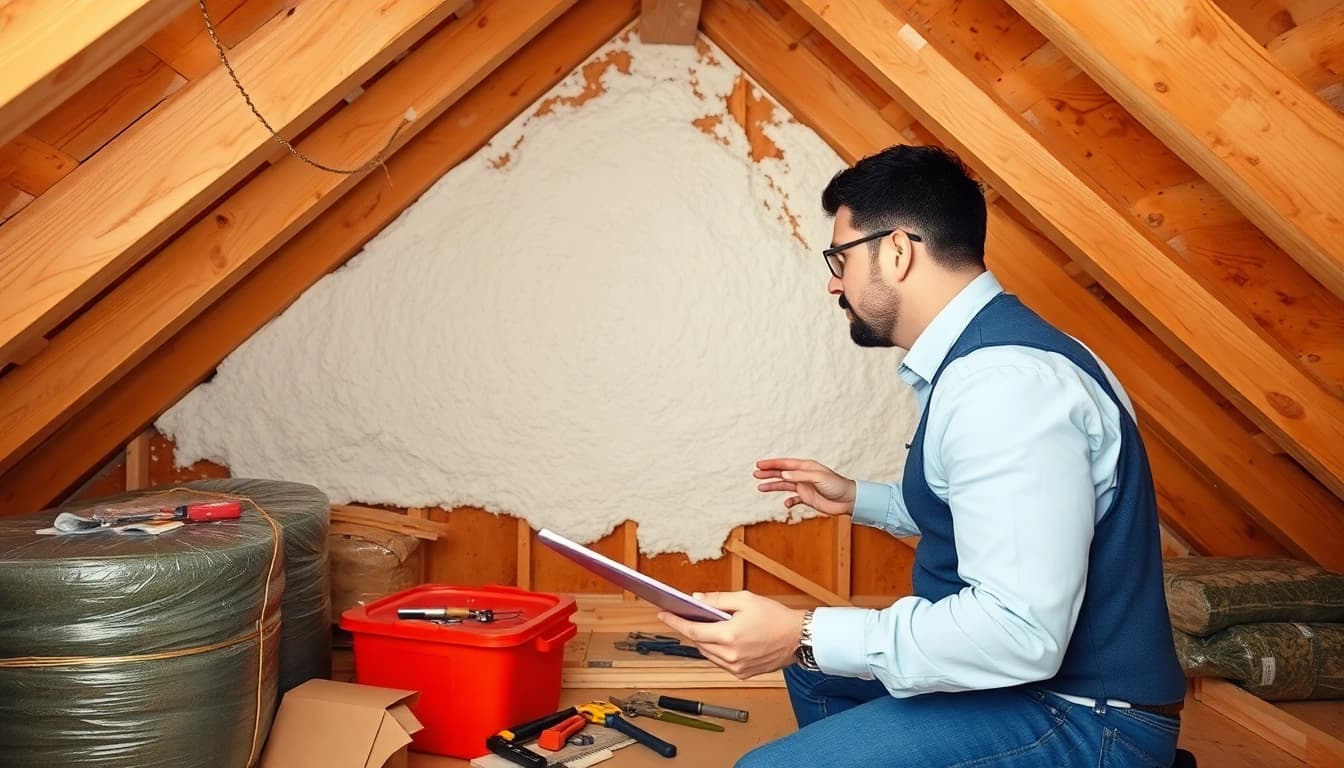
Spray foam insulation is a type of insulation that is made by mixing chemical components that expand upon application. This unique property allows it to fill gaps, cracks, and voids in building materials, creating an airtight seal. Spray foam comes in two primary types: open-cell and closed-cell. Open-cell foam is less dense and primarily used for interior insulation, whereas closed-cell foam is denser and provides superior moisture resistance, making it ideal for exterior applications.
Why is Spray Foam Removal Necessary?
There are several compelling reasons to consider spray foam removal. Over time, spray foam can degrade, lose its insulating properties, or become subject to moisture damage. Poor installation can lead to structural issues or decreased energy efficiency. Renovations requiring updated insulation methods or materials may also necessitate the removal of existing spray foam. In certain cases, health concerns related to off-gassing or harmful chemicals found in older spray foam formulations can also warrant its removal.
Common Challenges Faced
The process of removing spray foam insulation can present various challenges. These include the strong adhesion of the foam to surfaces, which can lead to damage when attempting to remove it. Additionally, the dust and debris created during removal can pose respiratory hazards if proper precautions are not taken. Understanding the potential complications is pivotal for achieving a successful removal without compromising the integrity of the underlying structures.
Techniques for Spray Foam Removal
Tools and Equipment Needed
Effective spray foam removal requires a range of specialized tools and equipment. Essential items include:
- Utility knives or foam cutters for cutting the foam
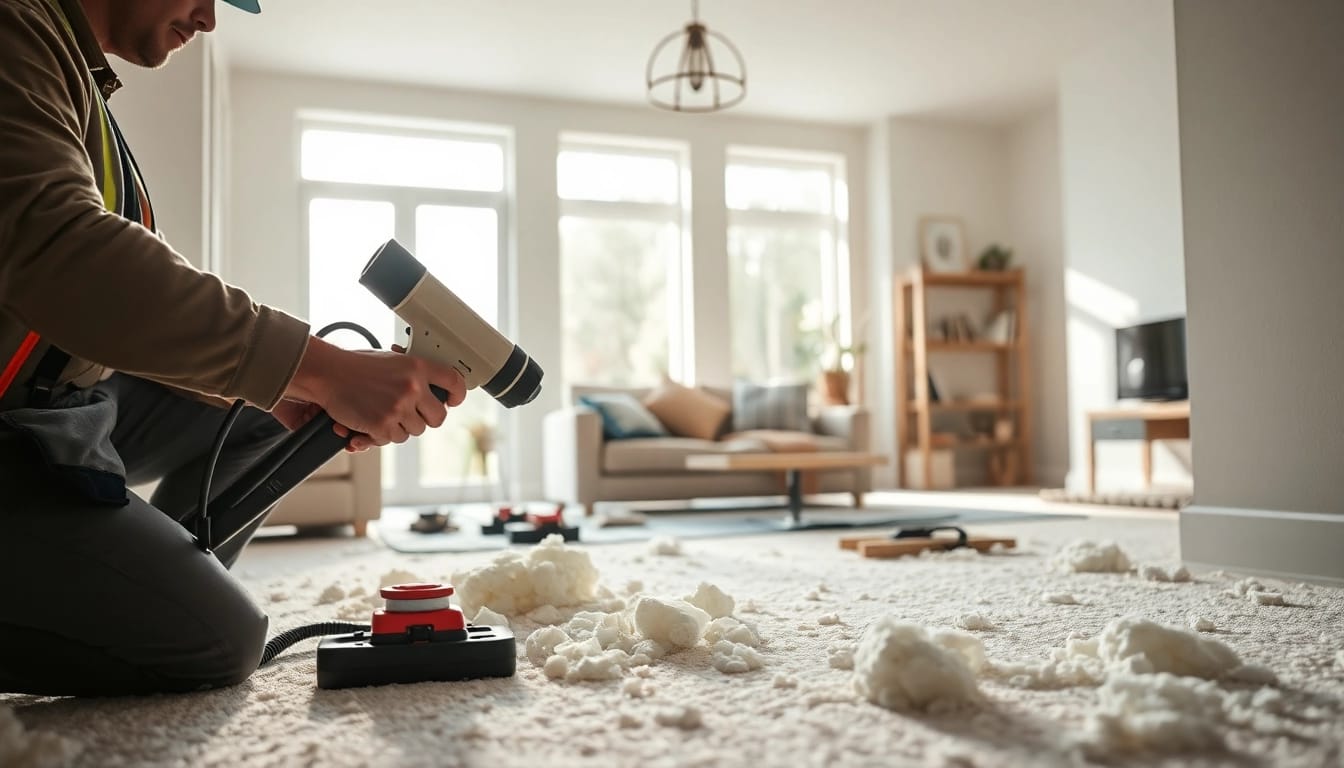
- Heat guns to help soften the foam for easier removal
- Safety gear including masks, gloves, and goggles to protect against harmful particles
- Vacuum systems to contain debris and maintain a clean work area
- Pry bars and scrapers for extracting remnants of foam from surfaces
Step-by-Step Removal Process
To remove spray foam insulation effectively, follow these steps:
- Preparation: Wear appropriate safety gear and ensure the work area is well-ventilated. Remove any furniture or obstructions.
- Cut the Foam: Use a utility knife or foam cutter to slice through the foam. Start at the edges and work your way inwards.
- Heat Application: If the foam is particularly stubborn, employ a heat gun to loosen the adhesion.
- Scraping: Use pry bars and scrapers to lift the foam away. Be careful to avoid damaging the underlying surfaces.
- Cleanup: Utilize a vacuum to collect debris and ensure that the area is free of any small particles.
Safety Precautions to Consider
Safety is paramount during the spray foam removal process. Effective safety measures include using personal protective equipment (PPE) such as gloves, safety glasses, and respirators. Ensure adequate ventilation in the work area, and avoid inhaling dust by using proper filtration masks. If dealing with old foam, especially in poorly ventilated areas, consider hiring professionals who understand the risks and possess the right equipment for safe handling and removal.
Benefits of Professional Spray Foam Removal East Sussex
Efficiency and Effectiveness
Hiring professionals for spray foam removal can greatly enhance efficiency. Experienced contractors utilize advanced tools and techniques that expedite the process while minimizing damage to surrounding structures. They can quickly assess the situation and implement appropriate strategies tailored to the specific requirements of the removal task.
Cost-Effectiveness Over DIY
While DIY removal may seem budget-friendly, it can lead to costly mistakes. Improper techniques can result in damage to walls or other structures requiring expensive repairs. Professionals not only reduce the chances of damaging property but can also save time and labor costs, ultimately making hiring them a more economical choice.
Ensuring Proper Disposal
Proper disposal of removed spray foam is critical for environmental safety. Professionals are familiar with local regulations regarding hazardous waste disposal, ensuring that the materials are disposed of correctly and responsibly. This adherence to environmental standards protects not just personal property but the community and ecosystem as well.
Finding the Right Service for Spray Foam Removal
Factors to Consider When Hiring
When seeking a service for spray foam removal, consider several factors:
- Experience: Look for contractors with extensive experience and specialized training in spray foam removal.
- Insurance: Ensure the service provider has adequate insurance coverage to protect you from liability during the removal process.
- Customer Reviews: Browse reviews and testimonials to gauge the satisfaction of previous clients.
Questions to Ask Potential Contractors
Before hiring a contractor, consider asking the following questions:
- What is your experience with spray foam removal?
- Can you provide references from previous clients?
- What safety measures do you take during the removal process?
- Do you offer a warranty or guarantee for your work?
Reviews and Testimonials
Reviews and testimonials can provide valuable insights regarding a contractor's quality of work. Seek feedback on their reliability, professionalism, and the overall satisfaction of previous clients. Websites, social media, and local forums can serve as excellent resources for gathering this information.
Maintaining Your Space Post-Removal
Inspection of Areas After Removal
Once the spray foam has been removed, conduct a thorough inspection of the area. Evaluate for any remaining debris or damage and ensure that all surfaces are intact and ready for new insulation or finishes. This inspection may also involve checking for moisture or mold that may necessitate further remediation.
Preparing for New Insulation
After removal and inspection, it is vital to prepare the space for new insulation. This may include cleaning any residual materials, repairing surfaces, and ensuring that the environment is conducive to new installations. Consult with insulation experts to determine the best materials and methods for your specific project needs.
Long-Term Maintenance Tips
To maintain the integrity and efficiency of new insulation, consider following these tips:
- Schedule regular inspections for signs of moisture or damage.
- Keep an eye out for airflow issues that might indicate insulation failure.
- Regularly clean any accessible areas to prevent buildup of dust and debris.
FAQs
1. How long does spray foam removal take?
The duration of spray foam removal depends on the area size and foam type, but generally, it takes a few hours to a full day to complete.
2. Is spray foam removal dangerous?
With proper safety precautions, the risks can be mitigated. Use PPE and ensure good ventilation during the removal process.
3. Can I do spray foam removal myself?
While DIY is an option, professional removal is recommended due to complications and safety concerns associated with the process.
4. What happens to the walls after removal?
After removal, walls may require repairs depending on how well the foam was removed. Expect to clean and possibly repaint affected areas.
5. Are there specific tools for spray foam removal?
Yes, tools like utility knives, heat guns, pry bars, and vacuums are commonly used to effectively remove spray foam insulation.