
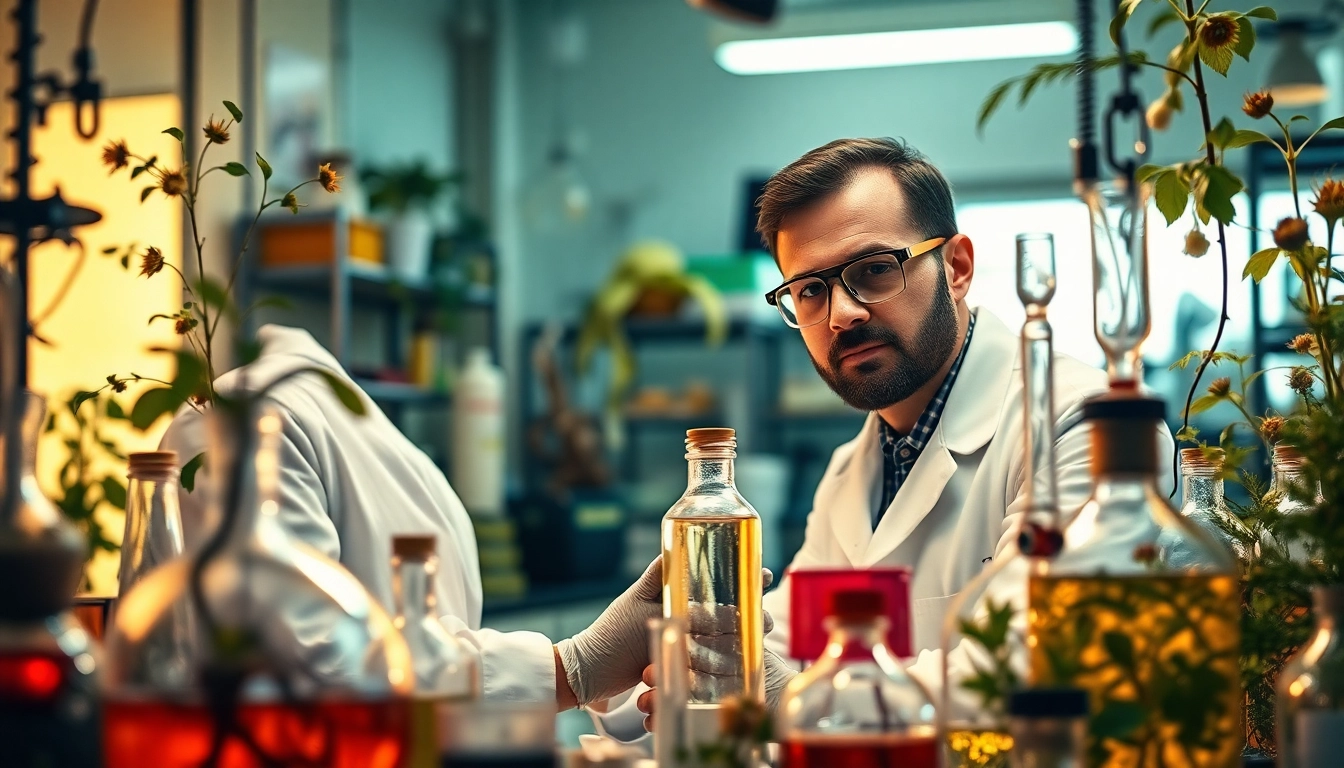
Understanding DMT: An Overview
DMT, or N,N-Dimethyltryptamine, is a psychoactive tryptamine that has garnered attention in both spiritual and scientific contexts. Known for its intense and short-lived hallucinogenic experiences, DMT has been used for centuries in various cultures, particularly in South America, where it plays a vital role in shamanic practices. As interest in alternative therapies and psychedelics grows, many seek to explore how to get dmt and its potential benefits.
What is DMT?
DMT is a naturally occurring compound found in various plants and is also produced synthetically. Structurally similar to serotonin, it is classified as a serotonergic hallucinogen and acts as a powerful psychedelic, inducing intense visual and auditory experiences. DMT is often referred to as “the spirit molecule” due to its ability to facilitate profound spiritual experiences and altered states of consciousness.
Natural Sources of DMT
Several plants contain high levels of DMT, including:
- Mimosa hostilis: A root bark known for its rich DMT content, commonly used in traditional preparations.
- Psychotria viridis: Often found in Amazonian brew recipes such as ayahuasca, which combines DMT with MAO inhibitors.
- Diplopterys cabrerana: Another plant used in ayahuasca that contributes DMT, enhancing its psychoactive effects.
DMT’s Role in Psychonautics
Psychonautics is the study and exploration of altered states of consciousness. DMT plays a significant role in this area, as its unique properties can lead to experiences described as deep introspection, spiritual awakening, and sometimes even encounters with perceived entities. This has led to increased interest from those seeking knowledge and healing through expanded consciousness.
How to Get DMT: Extraction Basics
Common Extraction Techniques
Extracting DMT from plant materials can be accomplished through various methods. The most common techniques include:
- Acid-Base Extraction: This involves using acidic and basic solvents to separate DMT from plant matter. It’s one of the most effective methods for purifying DMT.
- Simplified A/B Extraction: A more user-friendly variation of A/B extraction that simplifies the process using readily available household materials.
- Cold Extraction: This method uses alcohol to extract DMT at lower temperatures, often resulting in a more aromatic product.
Essential Equipment Needed
To extract DMT successfully, certain equipment and materials are necessary, including:
- Glass jar or container
- Heat source (for base extraction methods)
- Pipette or syringe for liquid transfer
- Distilled water
- Acidic and basic solvents (e.g., vinegar, sodium hydroxide)
- Filter paper or coffee filter for purifying solutions
Safety Precautions
Engaging in extraction techniques can pose risks. Adhering to safety precautions is crucial:
- Work in a well-ventilated area to avoid inhaling harmful fumes.
- Wear gloves and goggles to protect against chemicals.
- Keep all materials out of reach of children and pets.
- Be informed about the legal implications of extracting DMT in your area.
Step-by-Step Guide to Extracting DMT
Preparing Plant Material
The first step to extracting DMT involves preparing plant materials. It is essential to:
- Choose the correct plant source rich in DMT, such as Mimosa hostilis.
- Grind the plant material to increase surface area and facilitate extraction.
- Measure the appropriate quantities of plant material, solvents, and acids according to your chosen extraction method.
Extraction Process Explained
Once the materials are prepared, the extraction process begins. Following the acid-base extraction method, for instance:
- Add the plant material to a glass container and cover it with an acidic solvent like vinegar.
- Heat the mixture gently to facilitate the extraction while stirring.
- After cooling, add a basic solvent (e.g., sodium hydroxide) and mix thoroughly.
- Allow the mixture to settle, then separate the layers, discarding the aqueous layer and collecting the organic layer, which contains the DMT.
- Evaporate the solvent carefully to obtain crystal or resin forms of DMT.
Post-Extraction Care
After extraction, ensure you properly store and handle your DMT. Recommendations include:
- Store in airtight containers to prevent degradation.
- Label the container clearly and keep it in a cool, dark place.
- Consider testing the purity of the DMT if intending to consume or share it.
Legal and Ethical Considerations
The Legal Status of DMT
The legal status of DMT varies significantly across different jurisdictions. In many countries, DMT is classified as a Schedule I controlled substance, making extraction and possession illegal. Understanding local laws is essential to avoid legal repercussions.
Ethical Sourcing of Ingredients
Considering the ethical implications of sourcing DMT-rich plants is crucial. Practitioners are encouraged to:
- Seek out sustainable sources that do not harm the environment or local communities.
- Support fair trade practices and the rights of indigenous peoples who have used these plants traditionally.
Risks Associated with Synthesis
Synthesizing DMT through chemical processes can also present significant risks. Amateur chemists may encounter:
- Safety hazards due to toxic chemicals involved in synthesis.
- Legal consequences if caught synthesizing illegal substances.
- The potential for impure or dangerous products that could result in harmful experiences.
Frequently Asked Questions about DMT
How is DMT different from other hallucinogens?
DMT is often characterized by its intense and immediate effects compared to other hallucinogens, such as psilocybin or LSD. It produces profound visual and auditory hallucinations, typically lasting only a short time, approximately 15-60 minutes when smoked or vaporized.
What are the effects of consuming DMT?
Consumption of DMT can lead to vivid visual experiences, altered perception of time, and intense emotional responses. Users may experience a sense of connection to the universe, encounter entities, or undergo radically personal insights.
Can DMT be found in everyday plants?
Some common plants contain DMT, such as Mimosa hostilis or Psychotria viridis. However, it’s crucial to approach these plants respectfully and responsibly, considering their legal and ethical implications.
Is it safe to extract DMT?
Extraction can be risky and requires careful handling of chemicals. It’s vital to have a thorough understanding of the extraction process, safety protocols, and local laws before attempting DMT extraction.
What should I know before using DMT?
Before using DMT, consider its legal status in your area, potential health risks, and the importance of setting and intention. It is also essential to approach this substance with respect and awareness of its profound effects on consciousness.