
Understanding Water Leak Detection
Water leak detection is a critical aspect of maintaining the structural integrity and safety of residential properties. Undetected leaks can lead to significant damage over time, affecting not only the plumbing system but also the walls, floors, and foundations of your home. With rising concerns about environmental sustainability and the increasing costs associated with water damage, understanding and implementing effective leak detection strategies is more important than ever. For comprehensive solutions in water leak detection, homeowners can benefit from advanced technologies and expert services dedicated to safeguarding their properties.
What is Water Leak Detection and Why is it Important?
Water leak detection refers to the process of identifying and locating leaks in plumbing systems before they manifest into more serious problems. It is crucial because leaks can lead to mold growth, structural damage, and increased utility bills. Furthermore, timely detection can prevent minor issues from escalating into costly repairs or renovations. In the United States alone, billions of gallons of water are lost each year due to undetected leaks, making it a public and environmental concern.
Common Types of Water Leaks in Homes
- Pipe Leaks: These can occur in both hidden and visible pipes, affecting not only the water supply but also potentially causing damage to surrounding structures.
- Fixture Leaks: Faucets and toilets are common sources of leaks that can lead to unnecessary water waste and increased utility costs.
- Slab Leaks: These occur beneath the foundation of a home and can be particularly damaging and challenging to detect.
- Roof Leaks: Water can also infiltrate through roof systems, especially in older homes, leading to significant interior damage.
Pitfalls to Avoid in Leak Detection
When undertaking water leak detection, it’s essential to avoid common pitfalls that could lead to false conclusions or missed leaks. Homeowners should steer clear of relying solely on visible signs of water damage, which may not always indicate the source of the leak. Additionally, neglecting to use advanced detection technologies, such as thermal imaging or acoustic devices, can result in prolonged issues and higher repair costs. Engaging qualified professionals who utilize comprehensive techniques is crucial for effective leak management.
Advanced Leak Detection Technologies
The landscape of leak detection has evolved dramatically in recent years, thanks to innovative technologies designed to identify leaks faster and with greater accuracy. These technological advancements play a pivotal role in minimizing disruption and enhancing the efficiency of leak detection processes.
Innovative Tools for Accurate Detection
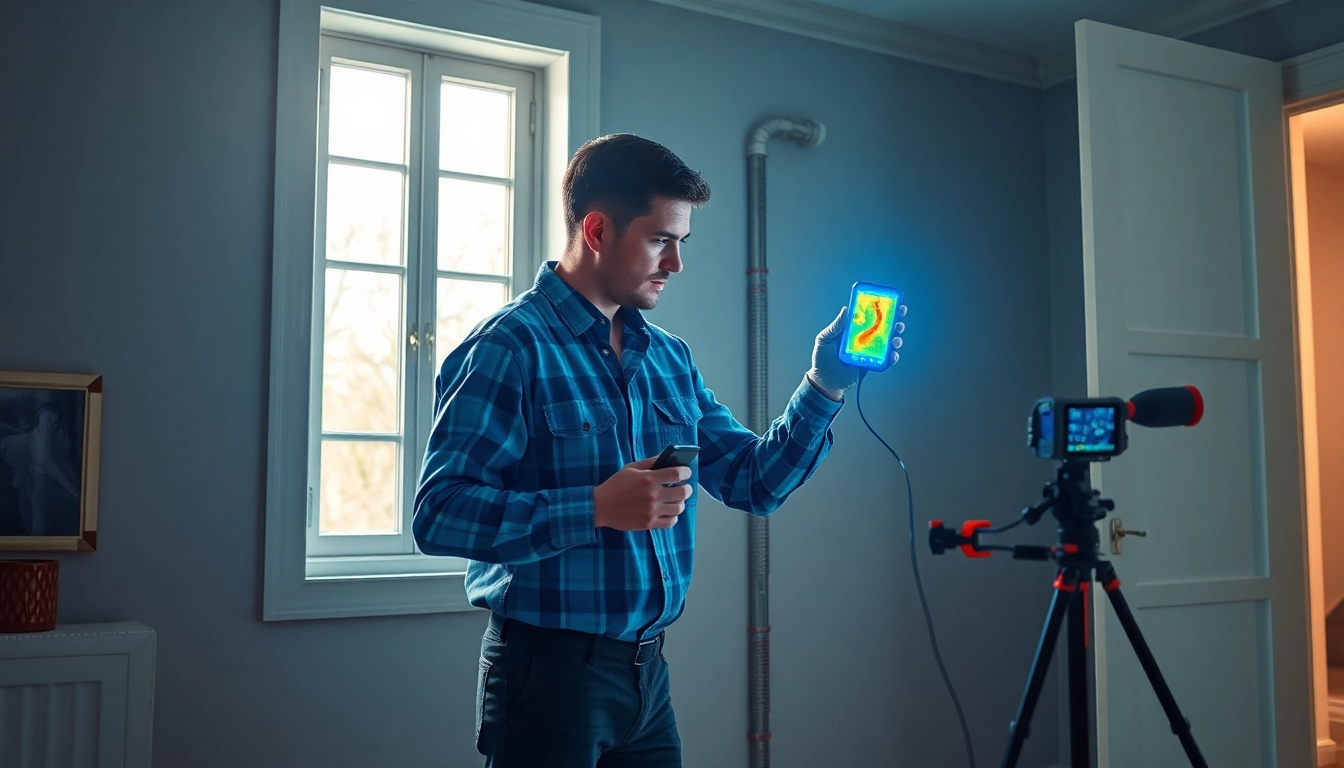
- Thermal Imaging Cameras: These devices detect heat variations caused by water leaking through walls or under floors, allowing for pinpoint accuracy in locating hidden leaks.
- Acoustic Listening Devices: By amplifying sounds of leaking water, these devices can identify leaks even when they are buried underground.
- Tracer Gas Detection: This method involves introducing a harmless gas into the plumbing system and tracking it to find leaks, especially beneficial for tiny or hard-to-reach leaks.
- Moisture Meters: These tools measure the moisture levels in different building materials, helping to map out moisture issues that may indicate leaks.
Comparing Non-Invasive vs. Traditional Methods
Non-invasive leak detection methods, such as those mentioned above, significantly reduce the need for destructive testing that can damage walls and floors. Traditional methods, often involving digging up pipes or cutting into walls, can be costly and detrimental to your property. By leveraging advanced technology, homeowners can enjoy a less invasive approach, which also shortens the time needed for repairs and reduces overall costs.
The Role of Technology in Preventative Maintenance
Incorporating modern leak detection technologies into regular maintenance routines can help homeowners proactively manage their plumbing systems. By leveraging tools that monitor water flow and pressure, homeowners can detect irregularities indicating potential leaks, allowing for timely intervention. This preventative approach not only saves money but also extends the lifespan of plumbing fixtures and systems.
Signs of Water Leaks in Your Home
Identifying leaks early is crucial for effective management and repair. Homeowners should be vigilant for several indicators that may suggest the presence of a leak, enabling them to take swift action.
Identifying the Early Warning Signs
- Increased Water Bills: A sudden spike in your water bill can indicate a hidden leak, particularly if usage patterns have not changed.
- Moisture or Stains: Discoloration on walls, ceilings, or floors can signify a leak behind the surface, requiring immediate attention.
- Mold Growth: The presence of mold or mildew is a clear sign of excess moisture, often linked to hidden leaks in plumbing systems.
- Sound of Running Water: Hearing the sound of water running when all fixtures are turned off may indicate a leak somewhere in the system.
Impact of Hidden Leaks on Property Value
Hidden leaks not only pose immediate health risks, such as mold growth, but can also significantly diminish property value. Homebuyers are typically wary of homes with a history of water damage, as it raises concerns about long-term structural integrity. Therefore, addressing leaks promptly can safeguard your investment and prevent unnecessary depreciation.
How to Conduct a Basic Leak Inspection
Homeowners can perform simple checks to identify potential leaks before they escalate. Start by examining your water meter; if it continues to run while no water is being used in the home, this could be a sign of a leak. Additionally, regularly inspect exposed pipes and fixtures for signs of moisture. If you suspect a leak but cannot find the source, consider hiring a professional service that specializes in advanced leak detection technologies.
Choosing a Professional Leak Detection Service
Selecting the right leak detection service can make all the difference in effectively managing leaks in your home. With numerous options available, certain qualities and credentials should guide your choice.
What to Look for in a Leak Detection Specialist
- Experience: Look for companies with a proven track record in leak detection services, ideally with certifications and testimonials.
- Advanced Technology: Ensure that the service utilizes modern leak detection methods and technologies to guarantee accurate results.
- Transparency: A reliable service should provide clear, detailed reports of their findings and potential repair options.
The Importance of Certifications and Guarantees
Certifications from recognized industry bodies indicate a company’s commitment to quality and safety standards. Additionally, a guarantee on work performed can provide peace of mind, ensuring that if a leak is not properly addressed, the service will rectify the issue at no additional cost.
Understanding Cost Factors in Leak Detection Services
The price for professional leak detection services can vary widely, influenced by factors such as the complexity of the leak, the technology utilized for detection, and the geographic location of the service. While DIY solutions can be tempting, investing in professional services is typically more effective for hidden leaks that could otherwise cause significant damage.
Future Trends in Water Leak Detection
The water leak detection industry is undergoing rapid transformation, driven by technological advancements and an increased emphasis on sustainability. Homeowners will benefit from innovations that make leak detection more accurate and efficient than ever before.
Emerging Technologies and Innovations for 2025
As we advance toward 2025, expect to see developments in smart home technologies that integrate leak detection with home automation systems. Smart sensors capable of alerting homeowners to anomalies in real time promise to enhance preventative measures significantly.
Environmental Impacts and Sustainable Practices
With growing awareness of environmental conservation, leak detection technologies are increasingly focusing on sustainable practices. For example, systems that help in the recovery of wasted water are becoming more prevalent, making the entire process more eco-friendly.
How AI and IoT Are Shaping the Future of Home Leak Detection
The integration of AI and IoT in home leak detection is paving the way for smarter systems capable of learning usage patterns and predicting potential leaks before they occur. This proactive approach can save homeowners time and money, as well as contribute to water conservation efforts globally.