Clean and safe drinking water is essential for a healthy lifestyle, but choosing the right water filter can be confusing. Among the most popular options in the market are Pur and Brita. Both brands promise cleaner, safer water, but how do they actually perform? In this detailed guide from Deep Dive Picks, we will examine everything you need to know about pur or brita filters, including performance, features, maintenance, cost, and real-life usability. By the end, you will have the knowledge to make an informed decision for your household.
- Understanding Pur or Brita Filters
- Pur or Brita: Performance Comparison
- Cost Comparison: Pur or Brita
- Pur or Brita: Real-Life Case Studies
- Filter Types and Options
- Maintenance Tips for Pur or Brita
- Pur or Brita for Health Considerations
- Convenience and User Experience
- Environmental Impact
- Which Should You Choose: Pur or Brita?
- Conclusion
- FAQs
Understanding Pur or Brita Filters
When it comes to home water filtration, pur or brita are two of the most trusted names. Each brand offers a variety of products designed to remove impurities, improve taste, and provide convenient water access. Understanding the differences in their filtration systems is key to choosing the right one for your needs.
How Pur Filters Work
Pur filters use advanced activated carbon and ion-exchange technology to reduce contaminants. These filters are designed to remove:
- Lead and mercury
- Chlorine taste and odor
- Certain pesticides and industrial chemicals
Pur filters are known for their ability to remove more heavy metals compared to standard filters, making them a strong choice for households concerned about water safety.
How Brita Filters Work
Brita filters primarily use activated carbon and ion-exchange resin to target contaminants. They are highly effective at removing:
- Chlorine taste and odor
- Copper and mercury
- Zinc and other metallic elements
Brita filters tend to be widely available, affordable, and easy to replace, making them a convenient option for families who want simple, everyday water filtration.
Pur or Brita: Performance Comparison
Comparing pur or brita requires looking at several key performance factors. Let’s break them down:
Filtration Efficiency
Pur filters often outperform Brita in removing heavy metals, particularly lead. This is a crucial consideration for families in older homes or areas with known water quality issues. Brita filters, while effective for basic contaminants like chlorine and some metals, may not remove lead as efficiently as Pur.
Filter Lifespan
The lifespan of filters varies between the two brands:
- Pur filters typically last about 2 to 3 months or filter up to 100 gallons of water.
- Brita filters usually last 1 to 2 months or filter around 40 to 100 gallons, depending on the model.
A longer lifespan means fewer replacements, saving time and effort over the long term.
Water Taste and Clarity
Both pur or brita improve the taste of tap water by reducing chlorine and other impurities. However, some users report that Pur filters provide slightly smoother and cleaner-tasting water, while Brita offers a noticeable improvement from unfiltered tap water but may leave a subtle metallic taste in some regions.
Ease of Use
Both brands are designed with user convenience in mind:
- Pur pitchers and faucet mounts are easy to fill, and some models feature LED filter change indicators.
- Brita pitchers and dispensers are lightweight and simple to handle, with intuitive designs for refilling and pouring.
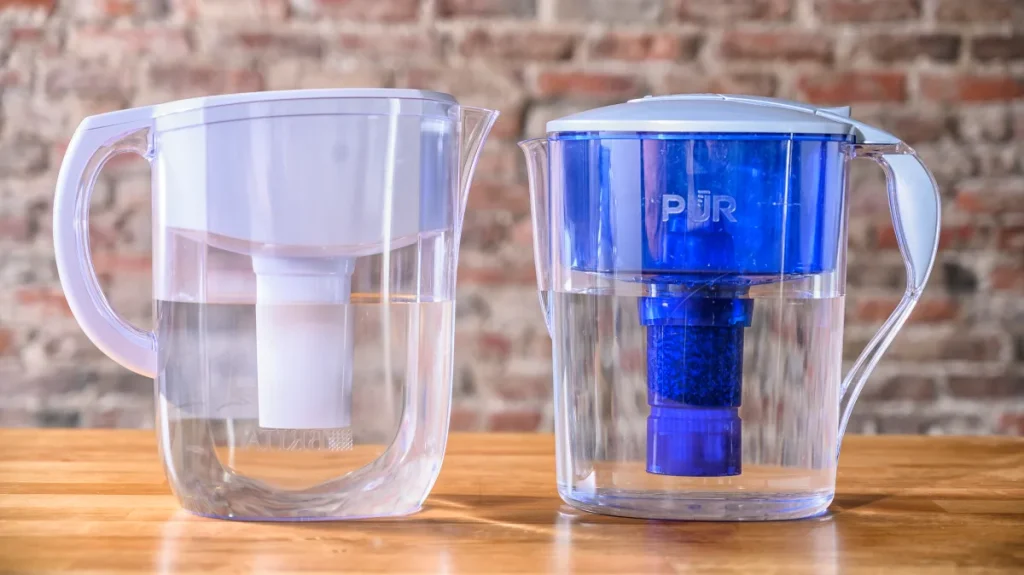
In real-life use, families often prefer Brita for quick and straightforward everyday use, while Pur is favored by those who prioritize maximum filtration.
Cost Comparison: Pur or Brita
Price is a significant factor when choosing a water filter. Here’s a breakdown:
- Pur filters are generally slightly more expensive upfront, and replacement cartridges can cost more than Brita.
- Brita offers budget-friendly options and widely available replacement filters, making it easier to maintain without breaking the bank.
In the long run, the choice between pur or brita may come down to whether you prioritize cost savings or higher filtration performance.
Pur or Brita: Real-Life Case Studies
Let’s look at some real-world examples to illustrate the differences:
- A family in an older city with lead pipes switched to Pur. They reported a noticeable improvement in water taste and felt confident about reducing lead exposure for their children.
- A college student in a dorm room used Brita for a simple and affordable solution. The water tasted cleaner, and the pitcher fit conveniently in the small fridge space.
These examples show that both brands serve different needs and lifestyles effectively.
Filter Types and Options
Both pur or brita offer multiple product types:
Pur Options
- Faucet Mount Filters: Attach directly to the kitchen faucet for on-demand filtered water.
- Pitcher Filters: Ideal for countertop use and easy refills.
- Advanced Filtration Models: Designed for households with high lead levels or industrial contaminants.
Brita Options
- Pitcher Filters: Classic design, easy to pour and refill.
- Dispenser Filters: Larger capacity, suitable for families or small offices.
- Stream Filters: Fast-flowing water directly from the pitcher without waiting for full filtration.
Maintenance Tips for Pur or Brita
To ensure optimal performance, proper maintenance is crucial:
- Replace filters according to manufacturer instructions, typically every 1–3 months.
- Rinse new filters before first use to remove loose carbon particles.
- Clean pitchers, dispensers, and faucet mounts regularly to prevent bacterial growth.
- Store pitchers in a cool, dry place to maintain water quality.
Pur or Brita for Health Considerations
For households with young children, elderly family members, or anyone with health concerns, the choice between pur or brita can be important. Pur filters’ higher lead removal capacity may provide peace of mind, while Brita offers reliable basic filtration for everyday use.
Convenience and User Experience
Both brands focus on user-friendly designs:
- Pur’s faucet mounts provide instant filtered water without waiting for a pitcher to fill.
- Brita pitchers and dispensers are lightweight and portable, ideal for small kitchens or students.
Environmental Impact
Using pur or brita reduces reliance on bottled water, which benefits the environment by cutting down plastic waste. Additionally, both brands offer recycling programs for used filters, although participation and availability vary by region.
Which Should You Choose: Pur or Brita?
Choosing between pur or brita depends on your household priorities:
- If lead removal and advanced filtration are top priorities, Pur is likely the better choice.
- If affordability, convenience, and widespread availability matter more, Brita may be the right fit.
Ultimately, both brands improve tap water safety and taste, making either option a valuable addition to your home.
Conclusion
Pur or Brita filters both provide cleaner, safer water, but their strengths differ. Pur excels in heavy metal removal and advanced filtration, while Brita offers affordability, ease of use, and reliable everyday performance. By considering your household’s water quality needs, budget, and lifestyle, you can make an informed choice. Investing in either pur or brita filter ensures that you and your family enjoy healthier, better-tasting water every day. Your journey starts at our homepage—check it out today.
FAQs
Which removes more contaminants: pur or brita?
Pur filters generally remove more contaminants, including lead and mercury, compared to Brita, which mainly focuses on chlorine, copper, and basic metals.
How often should I replace my pur or brita filter?
Pur filters typically last 2–3 months, while Brita filters last 1–2 months depending on usage and water quality. Always follow the manufacturer’s instructions for best results.
Are pur or brita filters worth the cost?
Yes, both brands provide cleaner, better-tasting water and reduce exposure to contaminants. The choice depends on whether you prioritize advanced filtration or affordability and convenience.