Understanding Phone Gimbals
In today’s world of fast-paced mobile filmmaking, the importance of stability cannot be overstated. A phone gimbal, a device designed to eliminate unwanted shakes and jitters in videos, has become an essential tool for videographers and content creators alike. These handheld stabilizers leverage advanced motorized technology to ensure smooth footage, allowing users to capture cinematic shots with ease. As the smartphone industry continues to evolve, so too does the technology behind gimbals, making them more accessible and efficient than ever. When exploring options, phone gimbal choices have expanded to cater to various needs and preferences, from amateur video enthusiasts to professional filmmakers.
What is a Phone Gimbal?
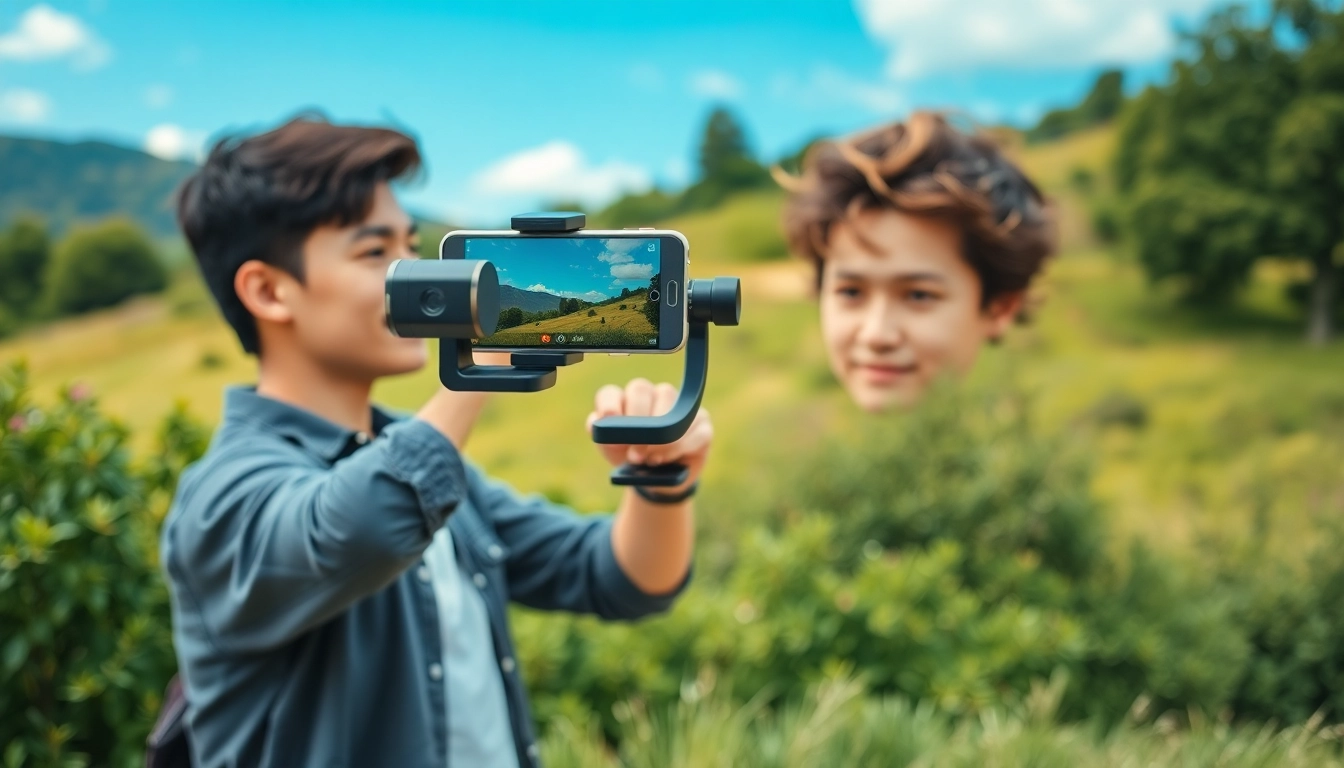
A phone gimbal is a handheld stabilizer that utilizes gyroscopic sensors and motors to maintain the orientation of a smartphone, regardless of the user’s movements. This innovative device allows for fluid and stable video capture, vastly improving the quality of mobile footage. Unlike traditional tripods, which may limit movement, gimbals empower creators to move freely while filming, capturing dynamic shots that were previously difficult to achieve with handheld devices alone.
How a Phone Gimbal Works
At its core, a phone gimbal employs a system of motors and sensors to create a stabilization effect. When a user moves their hand while filming, the gimbal’s sensors detect these movements and adjust the motors accordingly to counteract the motion. This process allows for seamless transitions and fluid shots, regardless of how the camera operator moves. The technology often includes three-axis stabilization, enabling the gimbal to pivot along multiple axes to deliver the smoothest footage possible.
Benefits of Using a Phone Gimbal for Filmmaking
The benefits of using a phone gimbal extend beyond mere stabilization. Here are some key advantages:
- Enhanced Video Quality: Gimbals provide professional-looking footage by reducing camera shake and unwanted vibrations.
- Versatility: They are ideal for various shooting conditions, from walking and running to low-angle shots and panning.
- Creative Freedom: Gimbals allow for creative camera movements, such as tracking shots, that would otherwise be difficult to achieve.
- Ease of Use: Many gimbals come equipped with user-friendly controls and automated features, making them accessible for beginners.
Choosing the Right Phone Gimbal
When selecting a phone gimbal, it’s essential to understand your specific needs and shooting style. With numerous models available, knowing which features matter most can significantly enhance your filming experience.
Key Features to Look For in a Phone Gimbal
Here are some critical features to consider when purchasing a gimbal:
- Weight and Portability: A lightweight gimbal is easier to hold for extended periods, especially during long shooting sessions.
- Battery Life: Look for a gimbal with a long battery life to ensure it lasts through your filming sessions.
- Smartphone Compatibility: Ensure the gimbal is compatible with your specific smartphone model, as weight and size can vary.
- Control Features: Many gimbals offer features like zoom control, follow modes, and panorama modes that can add versatility to your shooting.
Comparing Top Phone Gimbal Brands in 2025
As of 2025, several brands have emerged as leaders in the phone gimbal market:
- DJI: Known for its reliability and innovative features, the DJI OM series remains a favorite among content creators.
- Hohem: Offers budget-friendly options without sacrificing quality, making it ideal for beginners.
- Insta360: Perfect for those interested in immersive filming, their gimbals often feature integrated AI tracking capabilities.
- Zhiyun: Known for high-performance gimbals that cater to both smartphones and mirrorless cameras.
Price vs. Performance: Finding the Best Value
When it comes to selecting a gimbal, price should be balanced with performance. While high-end models can offer advanced features, there are budget-friendly options that still deliver solid stabilization. Conduct thorough research, read user reviews, and watch comparison videos to find a gimbal that meets your needs without breaking the bank.
Techniques for Effective Use of a Phone Gimbal
Utilizing a phone gimbal effectively requires practice and mastery of specific techniques. Below are some tips to help you maximize your gimbal’s potential.
Stabilization Techniques for Beginners
For those new to gimbals, start with the basics:
- Hold Steady: Maintain a firm grip on the gimbal and try to minimize unnecessary movement.
- Use Proper Stance: Stand with your feet shoulder-width apart to maintain balance and stability.
- Practice Slow Movements: Smooth, gradual movements will produce better results than sharp, quick turns.
Creative Shots Using Gimbal Movements
Once you’re comfortable with basic stabilization, experiment with creative camera movements:
- Tracking Shots: Use the gimbal to follow subjects smoothly, creating a dynamic storytelling effect.
- Panning Shots: Slow horizontal movements can emphasize action and create an immersive experience.
- Low-Angle Shots: Get low to the ground for unique perspectives that capture subjects in an interesting way.
Common Mistakes to Avoid with Phone Gimbals
Even experienced users can fall prey to mistakes. Here are some common pitfalls to avoid:
- Ignoring Balance: Always ensure your phone is correctly balanced to prevent motor strain and poor performance.
- Rushing Shots: Take your time to plan shots and movements; rushing can lead to shaky footage.
- Neglecting Maintenance: Regularly clean and maintain your gimbal to ensure optimal performance and longevity.
Case Studies: Success Stories from Filmmakers
To inspire you further, let’s explore how filmmakers have successfully integrated gimbals into their work.
Independent Filmmakers Making Waves with Gimbals
Many independent filmmakers have transformed their projects using gimbals. For example, filmmaker Sarah Lee used a gimbal to capture ethereal landscape shots in her documentary “Wanderlust.” The stabilized footage made her visuals mesmerizing and breathtaking, showing how professional-grade equipment can elevate storytelling.
Cinematic Projects Enhanced by Stabilization
Gimbals have also been instrumental in various cinematic projects. The film “Nightfall” leveraged gimbal technology for its chase scenes, creating intensity and immersion without the jarring movement typical of handheld shots. The result was a visually stunning narrative that captivated audiences.
Real-World Applications: Events and Travel Videos
Gimbals are not limited to filmmakers; they have become essential tools for event videographers and travel vloggers. For instance, travel vlogger Mark Jones captured his recent trip across Southeast Asia using a gimbal to provide viewers with a smooth, engaging experience that showcased the beauty of each location without the distraction of shaky footage.
The Future of Phone Gimbals
As technology continues to evolve, so does the design and functionality of phone gimbals. Let’s take a closer look at what the future holds.
Emerging Technologies in Gimbal Design
New advancements are on the horizon, including:
- AI Integration: Future gimbals may incorporate artificial intelligence for enhanced tracking and auto-framing features.
- Extended Battery Life: Innovations in battery technology will likely lead to longer usage times, benefiting filmmakers during lengthy shoots.
- Improved Portability: As gimbals get lighter and more compact, they will become increasingly user-friendly for on-the-go shooting.
2025 Trends: Innovations in Mobile Filmmaking
The mobile filmmaking landscape is rapidly changing, and we can expect trends like:
- Increased Use of Augmented Reality (AR): Gimbals will likely interact with AR apps to create unique filming experiences.
- Collaboration with Drones: Combining gimbals with drone technology for aerial shots that maintain stability and smoothness.
- Social Media Integration: Gimbals designed specifically for platforms like TikTok and Instagram may become more prevalent.
How to Stay Ahead in the Evolving Landscape of Videography
To stay competitive, content creators should continuously adapt to emerging technologies, keep up with industry trends, and invest in quality gear. Engaging with online communities, attending workshops, and experimenting with new filming techniques will further enhance your skills and storytelling abilities.