Understanding IT Recycling Reading
Overview of IT Recycling
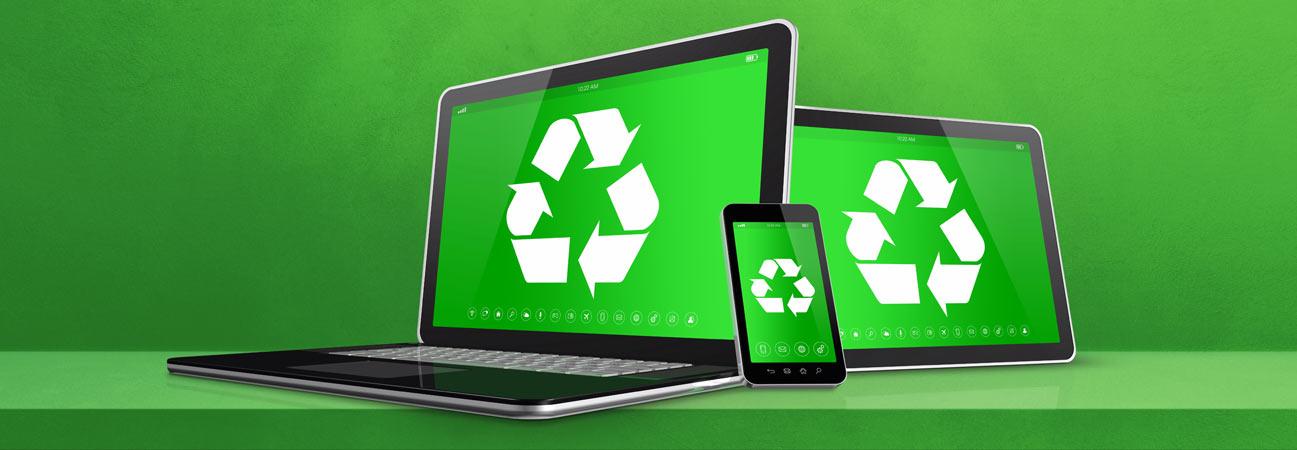
In today’s rapidly advancing technological landscape, businesses constantly upgrade their IT equipment. The disposal of outdated electronics poses a significant challenge, both environmentally and financially. IT recycling refers to the process of collecting, refurbishing, and recycling electronic waste to reduce environmental impact and ensure the safe handling of sensitive data. it recycling reading is a vital service aimed to provide sustainable solutions to this pressing issue.
Benefits of IT Recycling
The advantages of IT recycling extend beyond mere compliance with regulations. Firstly, recycling reduces the quantity of e-waste that ends up in landfills, where toxic materials can leach into the soil and water supply. Additionally, recycling conserves natural resources by reclaiming precious metals and materials from old electronics, which reduces the need for mining and production. Economically, businesses can recover value from old equipment through refurbishment, minimizing losses associated with write-offs. Furthermore, responsible recycling enhances a company’s reputation, demonstrating a commitment to sustainability that appeals to environmentally conscious consumers.
Importance of Responsible Disposal
Responsible disposal of IT equipment is crucial not only for environmental reasons but also for protecting sensitive data. Many electronic devices contain personal and confidential information; failing to dispose of these devices properly can result in data breaches and identity theft. Thus, implementing secure recycling practices mitigates risks associated with data protection laws and builds trust with stakeholders. Companies must prioritize responsible recycling not only to comply with existing regulations but also as a core aspect of their corporate social responsibility (CSR) initiatives.
Local Regulations and Guidelines
Understanding Local Laws
IT recycling is subject to various local laws and regulations that govern the disposal of electronic waste. Understanding these laws is vital for compliance and avoiding hefty fines. Local governments often establish laws that dictate what can and cannot be disposed of in landfills, and many prohibit the disposal of hazardous materials commonly found in electronics, such as batteries and circuit boards. For organizations in Reading, staying updated with local e-waste management regulations is essential.
How to Comply with Regulations
Ensuring compliance with local regulations starts with being informed. Organizations can create a compliance checklist that includes guidelines for waste separation, proper documentation of disposed items, and ensuring that all recycling services their company uses are certified to handle e-waste responsibly. Engaging with local waste management authorities can also provide insights into regulations and allow companies to participate in local recycling programs or events.
Data Protection Requirements
Data protection regulations require organizations to secure sensitive information when disposing of IT assets. The most effective way to achieve this is through thorough data wiping or destruction prior to recycling. This involves using software specifically designed to delete data beyond recovery, ensuring that no residual data remains on the devices. Organizations may also consider providing certificates of data destruction as proof of compliance to their stakeholders.
Choosing the Right IT Recycling Service
Evaluating Service Providers
Selecting an IT recycling service involves careful evaluation of potential providers. Key considerations include their certifications, reputation, and operational processes. For instance, a reputable IT recycling company should be certified under relevant standards (e.g., R2 or e-Stewards). It’s also beneficial to examine customer testimonials and seek recommendations to gauge the effectiveness and reliability of their services.
What to Look for in a Recycler
When selecting a recycler, look for services that offer a comprehensive suite of options, such as collection, refurbishment, data destruction, and reporting. Additional services like onsite data destruction and asset tracking can provide greater peace of mind. Always inquire about the recycling processes implemented by the provider to ensure they align with environmentally responsible practices.
Comparing Costs and Services
While cost is a significant factor, it should not be the only consideration when choosing an IT recycling provider. Request detailed quotes from multiple vendors and compare not just the costs, but also the range of services offered. A seemingly low price may reflect limited capabilities. Consider long-term relationships that can foster continuous support and better rates for repeat services.
Preparing Your Equipment for Recycling
How to Safely Prepare Devices
Proper preparation of IT devices is critical to ensure an efficient recycling process. Start by sorting devices into categories based on their type and condition, as different materials require specific handling methods. Clean out any remaining data and remove accessories that may not be accepted for recycling. Document all items being sent for recycling to ensure accountability.
Data Wiping Procedures
To protect sensitive information, thorough data wiping must be conducted before recycling devices. Use certified data-wiping software that conforms to industry standards such as NIST 800-88. This minimizes the risk of data recovery and should be part of your IT recycling process. Optionally, physical destruction of hard drives can be performed for added security, especially for devices containing highly sensitive information.
Packaging and Transportation Tips
When gathering electronics for recycling, ensure they are properly packaged to avoid damage during transport. Use sturdy boxes that provide adequate cushioning and label the boxes clearly with contents and handling instructions. If possible, schedule pickups with the recycling service provider for added convenience and safety.
Measuring the Impact of IT Recycling
Tracking Environmental Benefits
Organizations should implement metrics to assess the real impact of their IT recycling efforts. This could include tracking the volume of e-waste recycled, the number of devices refurbished, and the reduction in carbon emissions due to decreased material usage. Conducting an annual sustainability report can illustrate progress and highlight areas for improvement.
Assessing Cost Savings
Financial assessments of IT recycling can demonstrate tangible benefits. Companies can evaluate cost savings through reduced waste disposal fees and potential revenue earned from selling refurbished equipment. Furthermore, analyzing energy savings from recycling versus landfill disposal can provide a financial perspective that reinforces the business case for recycling.
Community Engagement and Awareness
Effective IT recycling also involves community engagement and education on the benefits of responsible e-waste disposal. Organizations can host informational workshops or participate in local green initiatives to raise awareness of recycling programs. Involving employees and the community cultivates a culture of responsibility and fosters a sustainable approach to technology use.
Frequently Asked Questions
What types of IT equipment can be recycled?
Most IT equipment, including computers, laptops, printers, and servers, can be recycled. Always check with the recycling provider for specific guidelines.
How do I ensure my data is protected before recycling?
Data protection can be ensured by using certified data-wiping software to delete information or by physically destroying hard drives prior to recycling.
Is IT recycling a cost-effective solution?
Yes, IT recycling can save costs through reduced waste disposal fees and can even generate revenue from refurbished devices.
Can I recycle my IT equipment at home?
Yes, many local guidelines allow residential e-waste recycling through designated drop-off points or special recycling events.
What should I do if my equipment is not accepted for recycling?
If your equipment is not accepted, consult with the recycling provider for alternative options or local guidelines for proper disposal.