Understanding Commercial Carpet Installation
Commercial carpet installation is a crucial aspect for businesses seeking to create a welcoming and functional environment. Unlike residential carpeting, commercial carpets are designed to withstand higher foot traffic and are often tailored to meet the specific needs of various industries. Understanding the nuances of commercial carpet installation helps business owners make informed decisions that enhance both aesthetics and functionality in their spaces. When exploring options, commercial carpet installation serves as a valuable resource for businesses aiming to revamp their flooring.
What is Commercial Carpet Installation?
Commercial carpet installation involves the process of laying carpet in commercial spaces, ranging from offices and retail stores to hotels and healthcare facilities. This process requires specialized techniques and materials to ensure durability, safety, and aesthetic appeal. Unlike residential carpets, which may prioritize comfort and style, commercial carpets focus on functionality, with various patterns and textures that can mask wear and tear from high traffic.
Benefits of Selecting Professional Installation
Choosing professional installation for commercial carpets offers several benefits:
- Expertise: Professionals have the experience needed to accurately measure and cut carpets, ensuring a perfect fit.
- Quality Assurance: They use high-quality adhesives and installation techniques that enhance the longevity of the carpet.
- Time Efficiency: Professional installers can complete the job in a fraction of the time it would take an untrained individual.
- Warranty Protection: Many professional installations come with warranties that protect against defects and installation issues.
Common Applications in Various Industries
Commercial carpets are used across a broad spectrum of industries. Here are some common applications:
- Offices: Carpets add warmth and reduce noise, making office environments more conducive to productivity.
- Retail: Stylish carpets can enhance the shopping experience, influencing customer perceptions and promoting brand identity.
- Healthcare: In clinics and hospitals, carpets that are easy to clean and maintain are essential for hygienic environments.
- Education: Schools and universities often use carpets to create comfortable learning spaces, while also providing durability.
Key Factors Influencing Installation Costs
Material Choices and Their Impact on Pricing
The type of material selected for commercial carpets significantly affects installation costs. Options range from budget-friendly polyesters to high-end nylon. While nylon offers superior durability and stain resistance, it comes at a higher cost. Wool, although luxurious and sustainable, is also one of the most expensive choices. A careful evaluation of budget versus long-term benefits is crucial for making the right decision.
Labor Costs and Professional Fees
Labor costs represent a significant portion of the overall installation expense. These costs can vary based on the installer’s experience, the complexity of the job, and the region. Understanding the fee structure can help businesses budget accurately for their project. Be sure to obtain multiple quotes before deciding on an installation service.
Estimating Costs for Different Spaces
Estimating the total cost of carpet installation requires consideration of the space’s size, shape, and purpose. For instance, a small boutique may find that plush carpets are both appealing and appropriate, whereas a large office complex might benefit more from resilient carpet tiles. On average, businesses can expect to pay between $2.50 to $7.50 per square foot for installation, depending on various factors.
Best Practices for Choosing Commercial Carpets
Identifying the Right Carpet Type for Your Business
Choosing the right carpet type is essential for meeting the specific needs of your business. Consider the following factors:
- Traffic Levels: High-traffic areas require more durable materials than low-traffic zones.
- Functionality: Some carpets are better suited for areas prone to spills or stains, such as break rooms.
- Safety Standards: Ensure that the carpet type meets safety requirements, especially in healthcare and educational facilities.
Color, Texture, and Design Considerations
Color and texture not only influence aesthetic appeal but also contribute to the overall ambiance of a space. Bold colors can energize a workspace, while softer tones may create a calming atmosphere. Textured carpets can also help in hiding stains and wear, making them practical for high-traffic areas.
Evaluating Durability and Maintenance Needs
When selecting commercial carpets, it’s essential to assess both durability and maintenance requirements. Look for carpets that are designed to withstand heavy use and are easy to clean. Many modern carpets also feature stain-resistant technology that can save considerable time and effort in maintenance.
Steps in the Commercial Carpet Installation Process
Preparing the Site for Installation
Before installation, it’s crucial to prepare the site properly. This involves removing old flooring and debris, ensuring the subfloor is level, clean, and dry. Proper preparation minimizes installation issues and enhances the longevity of the new carpet.
Measuring and Cutting Carpet Accurately
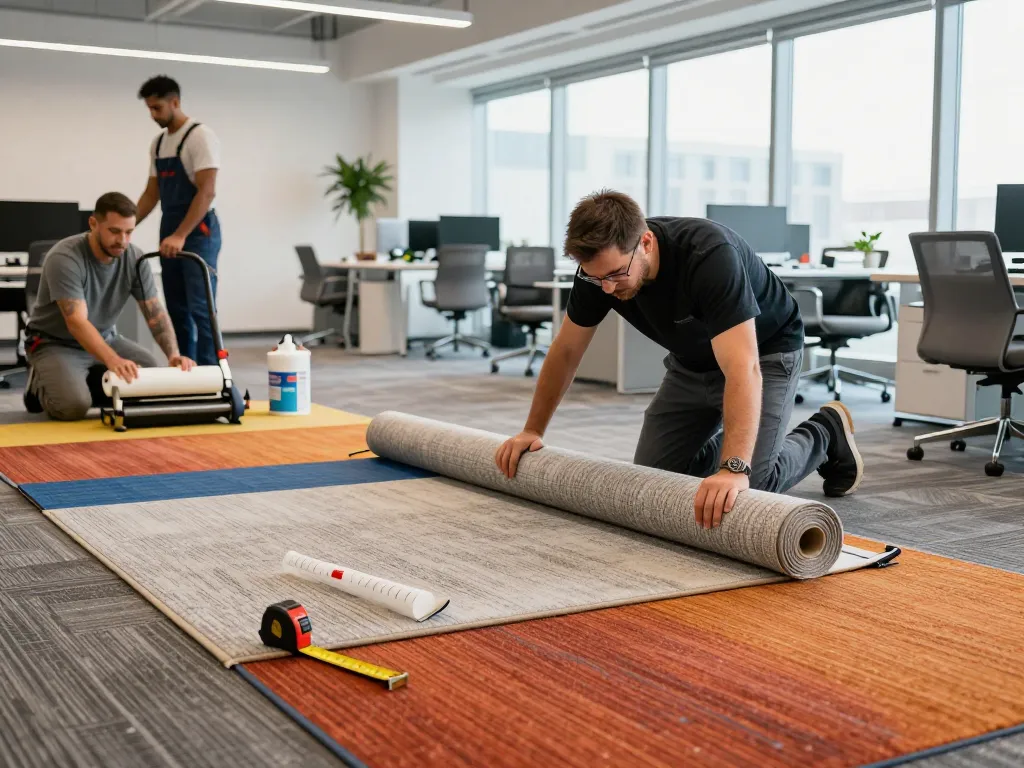
Accurate measurements are vital for minimizing waste and ensuring a seamless installation. Specialists use professional tools and techniques to ensure the carpet fits perfectly, which can also help in reducing costs.
Post-Installation Care and Maintenance Tips
Once the carpet is installed, it’s important to maintain it properly to extend its lifespan. Regular vacuuming, spot cleaning, and periodic deep cleaning can keep carpets looking new. Additionally, placing mats at entryways can help reduce dirt and moisture accumulation.
Future Trends in Commercial Carpet Installation
Emerging Materials and Sustainable Options
As environmental concerns continue to rise, sustainable carpeting options are gaining traction. Innovations include carpets made from recycled materials and those that are biodegradable. Businesses are increasingly looking for eco-friendly choices that align with their sustainability goals.
Technological Advancements in Installation Methods
Technological advances are reshaping the commercial carpet installation landscape. From 3D printing to modular carpet tiles that allow for easier replacement of damaged sections, these innovations are enhancing efficiency and reducing labor costs.
Predictions for Industry Standards and Practices in 2026
Looking ahead to 2026, industry standards are likely to evolve, with a focus on sustainability, cost-effectiveness, and aesthetic adaptability. Businesses can expect to see a greater emphasis on the integration of technology in flooring solutions, enhancing both functionality and design.
What factors should you consider when hiring a commercial carpet installer?
When hiring a commercial carpet installer, consider the following factors:
- Experience and qualifications of the installer
- Customer reviews and testimonials
- Warranty and service agreements
- Cost estimates and payment plans
How long does the commercial carpet installation process usually take?
The time required for commercial carpet installation can vary widely based on the size and complexity of the project. Generally, smaller spaces might take just a few hours, while larger installations can span several days. Planning and communication with your installer can ensure minimal disruption to your business operations.
What are the maintenance requirements for installed commercial carpets?
Maintenance requirements for commercial carpets typically include regular vacuuming, spot cleaning for stains, and periodic deep cleaning by professionals. Ensuring that the carpets are well-maintained can significantly extend their lifespan and keep them looking fresh.
How do you choose the right carpet for high-traffic areas?
To choose the right carpet for high-traffic areas, look for durable fibers, low pile options, and patterns or textures that can hide wear. Consulting with professionals may also provide insights into the best choices based on specific foot traffic levels.
What cost-saving tips are available for commercial carpet installation?
Some effective cost-saving tips for commercial carpet installation include:
- Purchasing carpet during off-peak seasons when prices may drop
- Exploring remnant sales or bulk purchasing options
- Opting for modular tiles that allow for easy replacement instead of traditional rolls
- Investing in durable products to reduce the frequency of replacements